BREAKING: 13 deaths, 420 cases of coronavirus confirmed in Georgia
COVID-19: U.S. at a Glance*
- Total cases: 15,219
- Total deaths: 201
- Jurisdictions reporting cases: 54 (50 states, District of Columbia, Puerto Rico, Guam, and US Virgin Islands)
Opinions on World Events etc.
BREAKING: 13 deaths, 420 cases of coronavirus confirmed in Georgia
* Data include both confirmed and presumptive positive cases of COVID-19 reported to CDC or tested at CDC since January 21, 2020, with the exception of testing results for persons repatriated to the United States from Wuhan, China and Japan. State and local public health departments are now testing and publicly reporting their cases. In the event of a discrepancy between CDC cases and cases reported by state and local public health officials, data reported by states should be considered the most up to date.
Why are we upset at this point because 70 people have died of a virus out of 365Million in the USA?
This may be a plot to see if the Gov. can destroy the nation by fear, so far the answer is yes.
Can they get everyone to stay home in less than 14 days?
COVID-19: U.S. at a Glance*
Total cases: 7,038
Total deaths: 97
Jurisdictions reporting cases: 54 (50 states, District of Columbia, Puerto Rico, Guam, and US Virgin Islands)
* Data include both confirmed and presumptive positive cases of COVID-19 reported to CDC or tested at CDC since January 21, 2020, with the exception of testing results for persons repatriated to the United States from Wuhan, China and Japan. State and local public health departments are now testing and publicly reporting their cases. In the event of a discrepancy between CDC cases and cases reported by state and local public health officials, data reported by states should be considered the most up to date.
What is already known about this topic?
Early data from China suggest that a majority of coronavirus disease 2019 (COVID-19) deaths have occurred among adults aged ≥60 years and among persons with serious underlying health conditions.
What is added by this report?
This first preliminary description of outcomes among patients with COVID-19 in the United States indicates that fatality was highest in persons aged ≥85, ranging from 10% to 27%, followed by 3% to 11% among persons aged 65–84 years, 1% to 3% among persons aged 55-64 years, <1% among persons aged 20–54 years, and no fatalities among persons aged ≤19 years.
What are the implications for public health practice?
COVID-19 can result in severe disease, including hospitalization, admission to an intensive care unit, and death, especially among older adults. Everyone can take actions, such as social distancing, to help slow the spread of COVID-19 and protect older adults from severe illness.
Globally, approximately 170,000 confirmed cases of coronavirus disease 2019 (COVID-19) caused by the 2019 novel coronavirus (SARS-CoV-2) have been reported, including an estimated 7,000 deaths in approximately 150 countries (1). On March 11, 2020, the World Health Organization declared the COVID-19 outbreak a pandemic (2). Data from China have indicated that older adults, particularly those with serious underlying health conditions, are at higher risk for severe COVID-19–associated illness and death than are younger persons (3). Although the majority of reported COVID-19 cases in China were mild (81%), approximately 80% of deaths occurred among adults aged ≥60 years; only one (0.1%) death occurred in a person aged ≤19 years (3). In this report, COVID-19 cases in the United States that occurred during February 12–March 16, 2020 and severity of disease (hospitalization, admission to intensive care unit [ICU], and death) were analyzed by age group. As of March 16, a total of 4,226 COVID-19 cases in the United States had been reported to CDC, with multiple cases reported among older adults living in long-term care facilities (4). Overall, 31% of cases, 45% of hospitalizations, 53% of ICU admissions, and 80% of deaths associated with COVID-19 were among adults aged ≥65 years with the highest percentage of severe outcomes among persons aged ≥85 years. In contrast, no ICU admissions or deaths were reported among persons aged ≤19 years. Similar to reports from other countries, this finding suggests that the risk for serious disease and death from COVID-19 is higher in older age groups.
Data from cases reported from 49 states, the District of Columbia, and three U.S. territories (5) to CDC during February 12–March 16 were analyzed. Cases among persons repatriated to the United States from Wuhan, China and from Japan (including patients repatriated from cruise ships) were excluded. States and jurisdictions voluntarily reported data on laboratory-confirmed cases of COVID-19 using previously developed data collection forms (6). The cases described in this report include both COVID-19 cases confirmed by state or local public health laboratories as well as those with a positive test at the state or local public health laboratories and confirmation at CDC. No data on serious underlying health conditions were available. Data on these cases are preliminary and are missing for some key characteristics of interest, including hospitalization status (1,514), ICU admission (2,253), death (2,001), and age (386). Because of these missing data, the percentages of hospitalizations, ICU admissions, and deaths (case-fatality percentages) were estimated as a range. The lower bound of these percentages was estimated by using all cases within each age group as denominators. The corresponding upper bound of these percentages was estimated by using only cases with known information on each outcome as denominators.
As of March 16, a total of 4,226 COVID-19 cases had been reported in the United States, with reports increasing to 500 or more cases per day beginning March 14 (Figure 1). Among 2,449 patients with known age, 6% were aged ≥85, 25% were aged 65–84 years, 18% each were aged 55–64 years and 45–54 years, and 29% were aged 20–44 years (Figure 2). Only 5% of cases occurred in persons aged 0–19 years.
Among 508 (12%) patients known to have been hospitalized, 9% were aged ≥85 years, 26% were aged 65–84 years, 17% were aged 55–64 years, 18% were 45–54 years, and 20% were aged 20–44 years. Less than 1% of hospitalizations were among persons aged ≤19 years (Figure 2). The percentage of persons hospitalized increased with age, from 2%–3% among persons aged ≤9 years, to ≥31% among adults aged ≥85 years. (Table).
Among 121 patients known to have been admitted to an ICU, 7% of cases were reported among adults ≥85 years, 46% among adults aged 65–84 years, 36% among adults aged 45–64 years, and 12% among adults aged 20–44 years (Figure 2). No ICU admissions were reported among persons aged ≤19 years. Percentages of ICU admissions were lowest among adults aged 20–44 years (2%–4%) and highest among adults aged 75–84 years (11%–31%) (Table).
Among 44 cases with known outcome, 15 (34%) deaths were reported among adults aged ≥85 years, 20 (46%) among adults aged 65–84 years, and nine (20%) among adults aged 20–64 years. Case-fatality percentages increased with increasing age, from no deaths reported among persons aged ≤19 years to highest percentages (10%–27%) among adults aged ≥85 years (Table) (Figure 2).
Since February 12, 4,226 COVID-19 cases were reported in the United States; 31% of cases, 45% of hospitalizations, 53% of ICU admissions, and 80% of deaths occurred among adults aged ≥65 years with the highest percentage of severe outcomes among persons aged ≥85 years. These findings are similar to data from China, which indicated >80% of deaths occurred among persons aged ≥60 years (3). These preliminary data also demonstrate that severe illness leading to hospitalization, including ICU admission and death, can occur in adults of any age with COVID-19. In contrast, persons aged ≤19 years appear to have milder COVID-19 illness, with almost no hospitalizations or deaths reported to date in the United States in this age group. Given the spread of COVID-19 in many U.S. communities, CDC continues to update current recommendations and develop new resources and guidance, including for adults aged ≥65 years as well as those involved in their care (7,8).
Approximately 49 million U.S. persons are aged ≥65 years (9), and many of these adults, who are at risk for severe COVID-19–associated illness, might depend on services and support to maintain their health and independence. To prepare for potential COVID-19 illness among persons at high risk, family members and caregivers of older adults should know what medications they are taking and ensure that food and required medical supplies are available. Long-term care facilities should be particularly vigilant to prevent the introduction and spread of COVID-19 (10). In addition, clinicians who care for adults should be aware that COVID-19 can result in severe disease among persons of all ages. Persons with suspected or confirmed COVID-19 should monitor their symptoms and call their provider for guidance if symptoms worsen or seek emergency care for persistent severe symptoms. Additional guidance is available for health care providers on CDC’s website (https://www.cdc.gov/coronavirus/2019-nCoV/hcp/index.html).
This report describes the current epidemiology of COVID-19 in the United States, using preliminary data. The findings in this report are subject to at least five limitations. First, data were missing for key variables of interest. Data on age and outcomes, including hospitalization, ICU admission, and death, were missing for 9%–53% of cases, which likely resulted in an underestimation of these outcomes. Second, further time for follow-up is needed to ascertain outcomes among active cases. Third, the initial approach to testing was to identify patients among those with travel histories or persons with more severe disease, and these data might overestimate the prevalence of severe disease. Fourth, data on other risk factors, including serious underlying health conditions that could increase risk for complications and severe illness, were unavailable at the time of this analysis. Finally, limited testing to date underscores the importance of ongoing surveillance of COVID-19 cases. Additional investigation will increase the understanding about persons who are at risk for severe illness and death from COVID-19 and inform clinical guidance and community-based mitigation measures.*
The risk for serious disease and death in COVID-19 cases among persons in the United States increases with age. Social distancing is recommended for all ages to slow the spread of the virus, protect the health care system, and help protect vulnerable older adults. Further, older adults should maintain adequate supplies of nonperishable foods and at least a 30-day supply of necessary medications, take precautions to keep space between themselves and others, stay away from those who are sick, avoid crowds as much as possible, avoid cruise travel and nonessential air travel, and stay home as much as possible to further reduce the risk of being exposed (7). Persons of all ages and communities can take actions to help slow the spread of COVID-19 and protect older adults.†
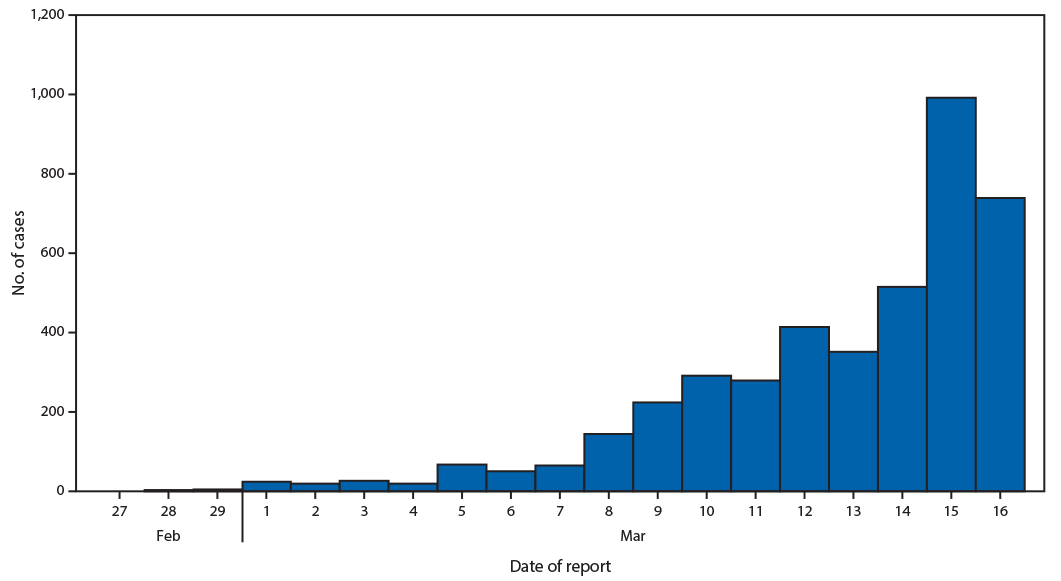
* Includes both COVID-19 cases confirmed by state or local public health laboratories, as well as those testing positive at the state or local public health laboratories and confirmed at CDC.
† Cases identified before February 28 were aggregated and reported during March 1–3.
 FIGURE 2. Coronavirus disease 2019 (COVID-19) hospitalizations,* intensive care unit (ICU) admissions,† and deaths,§ by age group — United States, February 12– March 16, 2020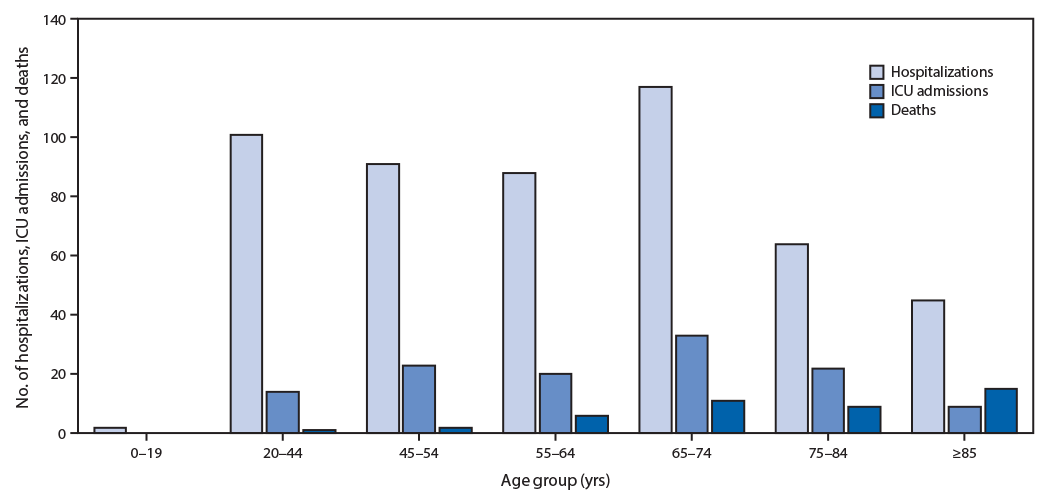
* Hospitalization status missing or unknown for 1,514 cases.
† ICU status missing or unknown for 2,253 cases.
§ Illness outcome or death missing or unknown for 2,001 cases.
* Lower bound of range = number of persons hospitalized, admitted to ICU, or who died among total in age group; upper bound of range = number of persons hospitalized, admitted to ICU, or who died among total in age group with known hospitalization status, ICU admission status, or death.

SUWANEE BEER FEST HAS BEEN RESCHEDULED TO MAY 30, 2020!
Suwanee Beer Fest organizers have been carefully monitoring the situation around COVID-19 as it relates to the festival. We have been following updates and recommendations from the CDC, Gwinnett County Health Department and state and local governments.
Given the recent developments, we have made the extremely difficult decision to postpone the 2020 Suwanee Beer Festival to Saturday, May 30th, 2020. With businesses and schools canceling, many of our breweries and vendors were not going to be able to attend due to company mandates. Some volunteers and attendees were uncomfortable attending and we felt our ability to put on Suwanee Beer Festival at the caliber we aim to deliver was compromised.

Many buildings down dozens of dead.
Irma is among the strongest Atlantic hurricanes on record based on wind speed.
The major hurricane could notch more historic moments in the days ahead.
Hurricane Irma is one of the most powerful hurricanes to roam the Atlantic basin in more than a decade, and it could hit more historical benchmarks in the days ahead.
Here’s a rundown of Irma’s notable extremes so far.
Strongest Winds in Almost 12 Years
Irma’s maximum sustained winds have so far maxed out at 185 mph. Those winds are well above the 157 mph Category 5 threshold and are the highest registered in any Atlantic hurricane since 2005.
Hurricane Wilma on Oct. 19, 2005, was the last hurricane to have maximum sustained winds reach 185 mph.
One of Four Hurricanes With 185+ MPH Winds
The 185 mph winds also place Irma in the upper echelon of Atlantic hurricanes based on wind speed.
Only three other hurricanes have had winds of 185 winds or greater, including Wilma (2005), Gilbert (1988) and Allen (1980), according to Dr. Phil Klotzbach, a tropical scientist at Colorado State University.
Allen had the strongest winds of those four hurricanes, maxing out at 190 mph in early August 1980.
Longest Duration of 185 Winds Anywhere in the World
Irma’s winds were at 185 mph for 33 hours as of late Wednesday evening. That’s the longest a tropical cyclone has maintained winds at that level or stronger anywhere in the world, according to Klotzbach.
The previous record was Super Typhoon Haiyan (2013) in the northwest Pacific which held winds of that intensity for 24 hours.
Most Powerful Hurricane to Strike the Leeward Islands
Irma’s maximum winds were 185 mph as it raked through the Leeward Islands, including Barbuda, Anguilla and Saint Martin.
Klotzbach says that Irma’s winds are the strongest for any hurricane on record to wallop the Leeward Islands region, beating out the Okeechobee Hurricane (1928) and David (1979). Both of those hurricanes had 160 mph winds at their peak in the Leeward Islands.
Lowest Central Pressure in a Decade
The central pressure observed in Irma dropped to 914 millibars early Wednesday morning, the lowest pressure for any Atlantic hurricane since Dean in August 2007, according to Klotzbach.
Irma’s pressure, however, does not rank among the top 10 lowest in the historical record for the Atlantic.
In general, a lower pressure means a more intense hurricane in terms of its winds and overall destructive potential. Conversely, a higher pressure indicates a weaker system when it comes to wind speeds.
Irma Ranks Among Longest-Lived Category 5 Hurricanes
Hurricane Irma has been a Category 5 for more than 48 hours as of Thursday early morning.
Hurricane Allen (1980) and Hurricane Ivan (2004) hold the record for the longest duration as a Category 5 in the Atlantic at three days total.
Irma now ranks third overall since the reconnaissance era began in 1944 with Category 5 strength lasting two days, according to data from NOAA’s Hurricane Research Division.

Atlantic Category 5 Hurricanes 1924-2015 (Red Indicates Category 5 Intensity)
2017 Could Be the First Year With Two U.S. Category 4 Landfalls
Irma has a chance to be the second Category 4 hurricane landfall in the U.S. this season.
The first Category 4 landfall was Hurricane Harvey which roared ashore near Rockport, Texas, with 130 mph winds on Aug. 25.
In historical records dating to 1851, the U.S. has never been struck by two Category 4 or stronger hurricanes in the same year, according to Bob Henson, a meteorologist with wunderground.com.
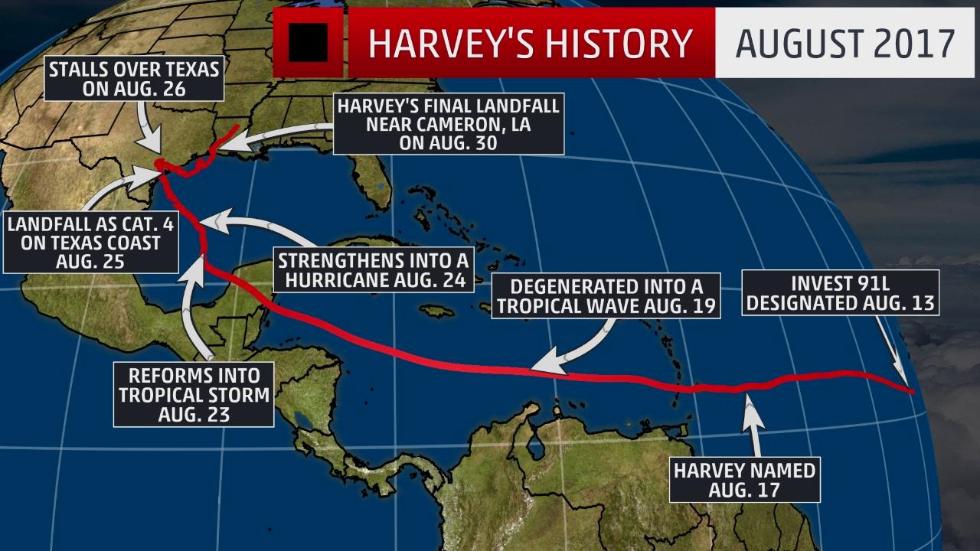
History of Hurricane Harvey.
The Weather Company’s primary journalistic mission is to report on breaking weather news, the environment and the importance of science to our lives. This story does not necessarily represent the position of our parent company, IBM.
Published on Apr 6, 2017 MEDITERRANEAN SEA (April 7, 2017) The guided-missile destroyer USS Porter (DDG 78) conducts strike operations while in the Mediterranean Sea. Porter, forward-deployed to Rota, Spain, is conducting naval operations in the U.S. 6th Fleet area of operations in support of U.S. national security interests in Europe. (U.S. Navy video by Mass Communication Specialist 3rd Class Ford Williams/Released)
There was a gun fire battle @ Crescent and 12 in Midtown ATL last night around 11:30pm
WSB TV Channel 2
ATLANTA – Police say 18 vehicles were damaged by bullets in what they described as a gun battle in midtown Atlanta.
The shooting started around 11:30 p.m. Thursday at the corner of Crescent Avenue and 12th Street, an area with popular bars and restaurants.
Atlanta police Capt. Cliff Johnson said it appears there was a gun battle involving multiple shooters.
Police found 60 rounds from four different guns, and an AK-47 rifle was found in some bushes near a parking lot.
by Chris Isidore @CNNMoney
The broken gasoline pipeline that’s caused shortages and price spikes in the Southeast is just days away from resuming normal operations.
The company, Colonial Pipeline, said Tuesday it’s completed a 500-foot bypass to carry gasoline around the broken portion of the pipeline. It’s currently conducting tests to make sure that the repair will work.
If it does, Colonial expects to start sending gasoline through the pipeline by Wednesday. It will then take several days for the fuel delivery supply chain to return to normal. The company said it has 700 employees and contractors working on the site.
Prices in those states – Alabama, Georgia, North Carolina, South Carolina, Tennessee and Virginia — have spiked by as much as 20 cents since the weekend. Those states have have declared emergencies and relaxed restrictions on fuel transportation due to shortage.
The leak occurred on Sept. 9 in a rural area south of Birmingham, Alabama, on a portion of the pipeline that’s 53 years old. Most of the pipeline was built in either the 1960s or 1970s, according to federal records.


(CNN)As stunned fans mourned legendary singer Prince, questions remained on what killed him days after he performed in Atlanta to rave reviews.
Authorities are investigating the circumstances surrounding his death. An autopsy will be conducted Friday, starting at 9 a.m. CT (10 a.m. ET).
Prince Rogers Nelson, 57, died Thursday after he was found unresponsive in an elevator at his studios in Chanhassen, Minnesota.
Paramedics tried to perform CPR but were unable to revive him, authorities said. He was pronounced dead at 10:07 a.m., less than 30 minutes after sheriff’s deputies responded to a medical call at the scene.
Wow.
A Falcon 9 rocket booster — under the power of a single Merlin 1D engine — descends toward a specially-outfitted ocean landing platform off Florida’s East Coast on Tuesday in a brief video clip released by SpaceX.
The rocket tipped over moments after touching down on the barge, which was parked in the Atlantic Ocean 200 miles east of Jacksonville, Florida. SpaceX says the first stage did not survive the landing.
SpaceX is experimenting with recovering Falcon 9 rocket stages in hopes of reusing the boosters on future missions, an achievement officials say would reduce the cost of space launches.
The Falcon 9 rocket’s upper stage continued into orbit with an unmanned Dragon supply ship hauling up cargo for the crew on the International Space Station.
via Video: SpaceX rocket booster crash lands on barge | Spaceflight Now.
From my take, they allow 36 oz on premise “tastings” as usual. Now they can also give a “gift” of a growler (64oz) for off-premise consumption. Sounds like you have to take a tour first and then also have only one beer type as a single growler, not multiple smaller growlers or possibly bottled beer.
#SB63 passes the Georgia Senate 51-5!
#SB63 passes!!!!! A win for #gabeer #smallbusiness and the Georgia People! Now on to the house!
#SB63 passes Senate 51-5. #GABeer
Thanks everyone for your support on #SB63. Passed Senate Floor 51-5. Amended, but I’ll take it. Now it’s time to hit up the House.
Senate Bill #63 passed overwhelmingly. Now onto the House. #setbeerfree #herewestand #gabeer
At the request of the bill’s sponsor we need to STOP contacting Casey Cagle. Word is that all the calls and emails have worked and there is a good chance of him coming to the table on this but, for the next couple days, we need to take it easy on social media and let the negotiation process happen.
Again, this is coming down from bill’s sponsor (he didn’t message me directly but word was sent to me by someone that spoke to him) so it sounds like the best advice to follow for now. I’m sure everyone is skeptical based on how this has gone, but please try to follow this for a few days so we can see what happens and I will update immediately if I receive any new info.
via IMPORTANT update on the status of SB63! PLEASE READ! : atlbeer.



